
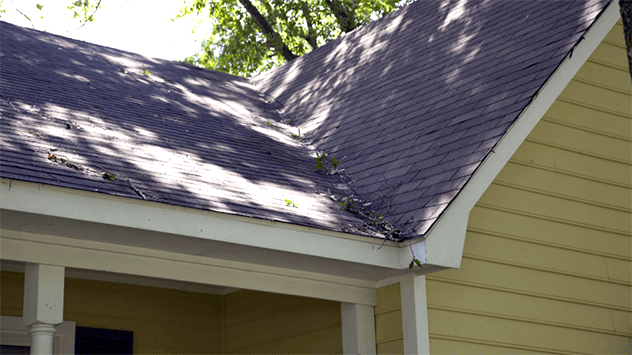
There are so many things that can happen as a homeowner, including a leaky roof. While this may be a problem you can avoid, most of the time homeowners don’t even know how to prevent this from happening.
How often do you inspect your roof? If there are heavy rains, high winds, or you have a lot of accumulated leaves on your roof, checking it from time to time is a very good idea. Here are a few common reasons why your roof may start leaking:
- Condensation
If you don’t have proper ventilation, condensation can appear, compromising the integrity of the roof.
- Slipped tiles
These are also known as slates. If you notice pools of water accumulating, that means rain can get to the underlay during inclement weather, causing substantial damage to the roof.
- Damaged underlay
This is by far, one of the most common reasons for a leaky roof. This is the part of the roof that passes water to the gutters. Over time, this area can become rotted due to rain passing through the underlay into the internal roof space.
- Junctions
Damaged roof junctions will expose that area. Once large amounts of water accumulate, this can collapse the junction, creating huge leaks in the roof.
- Failed extensions
Lean-to extensions increase the chance of leaking roofs. Why? The rain falls into the extension, adding pressure and compromised underlays or tiles.
It may be a good idea to consider metal roofing. This could help alleviate some reasons why you may experience a roof leak, and limit the amount of damage that can occur.
Speaking with an experienced team of roofing specialists can point you in the right direction, saving you time and money.
