
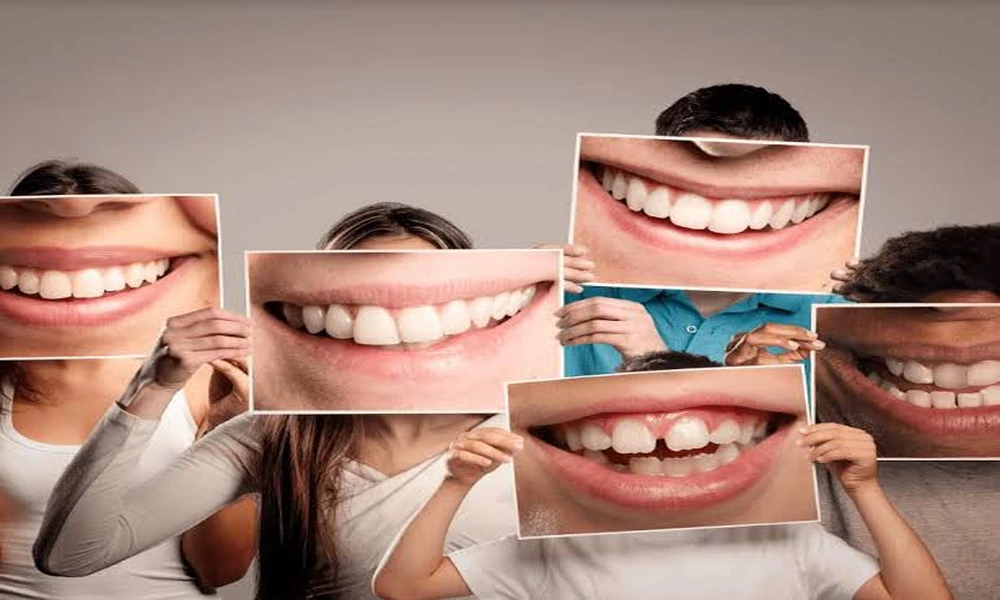
You already keep track of school dates, sports practice, work meetings, birthdays, and the last day anyone can turn in a permission slip. Dental care often lands in that same mental pile, then slips to the bottom until someone says a tooth hurts or you realize it has been way too long since the last cleaning. That does not mean you are careless. It means family life gets crowded, and routines that seem simple on paper are harder to keep steady at home, which is why having a trusted family dentist in San Mateo can make it easier to stay on track.
A smile care routine works better when it lives on a calendar instead of in your head. A few planned reminders can cut down on missed checkups, rushed mornings, bedtime battles, and the slow creep of habits that lead to cavities or gum problems. The goal is not a perfect system. The goal is a family plan you can actually follow, with room for real life.
A family dental care schedule solves the small problems that become expensive ones
Most dental issues do not appear all at once. They build quietly. A skipped brushing session turns into a pattern. A child outgrows a toothbrush and keeps using it anyway. A busy adult keeps putting off a cleaning because nothing hurts yet. Then the calendar keeps moving, and a simple visit becomes a larger treatment plan.
That pattern is frustrating because it rarely starts with neglect. It starts with good intentions and no structure. You may even have the supplies at home and still feel behind. That is common in families with different ages, different school times, and different needs. One child may need help brushing. A teenager may need reminders about aligners or sports mouthguards. Adults may need to track sensitivity, gum bleeding, or a six month checkup that keeps getting pushed back.
Public health guidance supports steady daily habits and regular dental visits for both children and adults. The Centers for Disease Control and Prevention offers oral health tips for children and separate oral health tips for adults. The National Institutes of Health also shares a broad overview of oral and dental health, including prevention and common concerns. The message across all of them is clear. Consistency matters more than intensity.
That is why 3 Steps To Create A Family Friendly Smile Maintenance Calendar is more than a catchy idea. It is a way to turn scattered reminders into a repeatable rhythm. A family smile care calendar gives each person a place in the plan, and it helps you spot gaps before they turn into stress.
A home routine and a general and family dentist work best together
At home, you manage the daily pieces. Brushing twice a day, flossing, replacing toothbrushes, checking toothpaste levels, limiting constant sugary snacks, and watching for signs that something feels off. A general and family dentist handles the parts you cannot do at home, including exams, professional cleanings, X rays when needed, and treatment planning based on age and risk.
Families often lean too hard in one direction. Some assume daily brushing is enough and delay professional care. Others book cleanings but struggle with the habits that protect teeth between visits. The strongest routine uses both. Think of it as shared responsibility. Your calendar keeps the household moving. Your dental office helps you adjust the plan when a child gets sealants, a teen starts orthodontic treatment, or an adult begins treatment for gum disease.
| Part of Smile Care | Home Routine | General And Family Dentist |
|---|---|---|
| Daily plaque control | Brushing twice a day and flossing | Checks technique and looks for missed problem areas |
| Toothbrush and supply tracking | Replace brushes about every 3 to 4 months or sooner if worn | Recommends products based on age and oral health needs |
| Cavity prevention | Limit frequent sugar exposure and keep routines steady | Provides exams, fluoride advice, and preventive treatments when needed |
| Early problem detection | Notice pain, bleeding, bad breath, or sensitivity | Finds issues that may not cause symptoms yet |
| Long term planning | Use reminders for habits and appointments | Sets recall visits and treatment timelines |
Three steps make a smile maintenance plan easier to keep
Step 1: Put recurring dental tasks on one shared calendar.
Choose one system your household already uses, whether that is a paper calendar on the fridge or a phone app with alerts. Add two daily reminders for brushing if mornings and nights are chaotic. Add flossing reminders for the family members who need them. Then add repeating entries for toothbrush replacement every three to four months, school sports seasons when mouthguards matter, and routine dental visits. If one child needs extra monitoring and another does not, color coding helps without making the system feel complicated.
Step 2: Match each person’s needs to their stage of life.
A calendar fails when everyone gets the same plan. Young children may need a parent to brush or check brushing. School age kids often do better with simple check marks or sticker tracking. Teenagers may need reminders tied to independence, such as keeping aligners clean or packing a travel toothbrush. Adults usually need prompts for the tasks they postpone, including cleanings, sensitivity checks, or replacing a night guard. This is where a family dental care schedule becomes realistic. It reflects the people in your house, not an ideal family in a checklist.
Step 3: Review the calendar once a month and adjust before problems build.
One quick monthly review keeps the plan alive. Check whether anyone missed an appointment, whether supplies are running low, and whether a new issue has appeared. Maybe your child started complaining that cold drinks hurt. Maybe bedtime has gotten later and brushing is getting rushed. Maybe you have had the same reminder for six months and still have not booked your own exam. Fixing those issues early is easier and usually less expensive than waiting. A monthly reset also turns your household oral health plan into a routine instead of a reaction.
A simple smile calendar lowers stress and protects your budget
Dental care feels more manageable when you stop relying on memory. You do not need a strict system with no room for real life. You need a visible one, a plan that supports the daily basics and keeps regular care from slipping through the cracks. That is how families stay ahead of avoidable problems and make better use of visits with a general and family dentist.
If your household has been in catch up mode, start small today. Put the next brushing check, toothbrush replacement date, and dental appointment reminder on the calendar. Then build from there. A steady routine protects more than teeth. It gives your family one less thing to scramble over.
