
When your pet is moving less, everything feels a little harder. You may already be helping them stand up, watching how they lie down, and wondering if pain is getting worse. Then you notice a patch of red skin, some thinning fur, or a sore that was not there before. That can turn a worrying stretch into a constant low level panic, and it may be time to seek veterinary in Heber Springs, AK.
Skin problems in pets with mobility issues are easy to miss at first because the bigger problem seems to be the limp, weakness, arthritis, or recovery after injury. Skin often tells you how well your pet is coping. Pressure, moisture, dragging, and reduced grooming can all lead to damage that gets worse fast. If your dog or cat is spending more time lying down, these are the skin changes worth reporting to a general veterinarian sooner rather than later.
Limited mobility raises the risk of pressure sores and skin breakdown
Pets with reduced movement put repeated pressure on the same spots. Elbows, hips, hocks, ankles, and the side of the chest tend to take the most force. If your pet drags their legs, the tops of the paws and lower limbs also become high risk areas. According to Texas A&M Veterinary Medicine, mobility issues in dogs can stem from arthritis, neurologic disease, injury, and age related decline. The cause matters, but the skin risks often look similar.
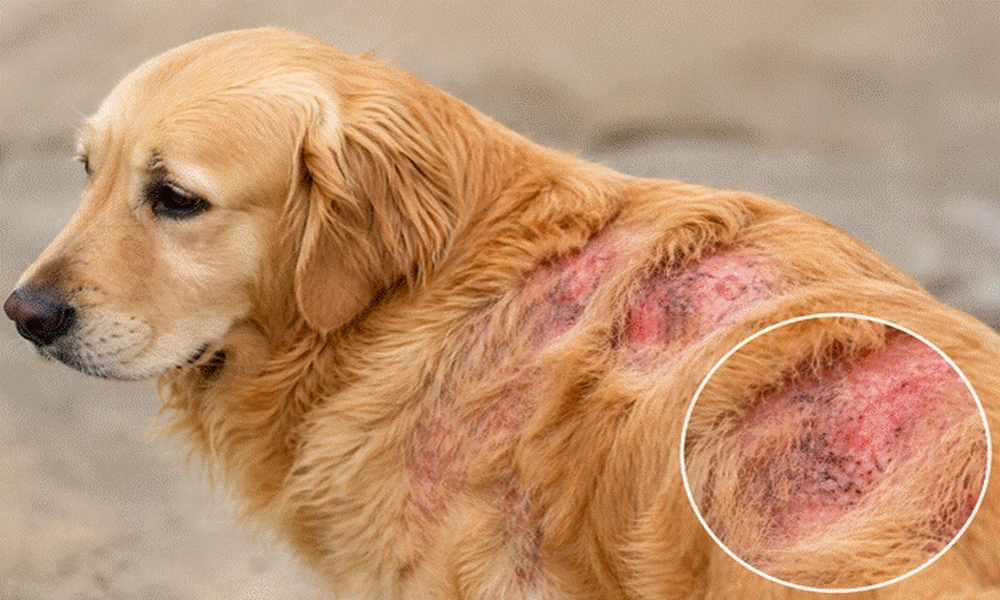
The first change to report is persistent redness, especially over bony points. Red skin that does not fade after your pet changes position can be an early warning sign of pressure damage. On light skin it may look pink or red. On darker skin it may look deeper brown, purple, or just different from the surrounding area. If the skin also feels warm, swollen, or tender, call your veterinarian.
The second change is hair loss or rubbed bare patches. A bald spot may seem minor if the skin underneath still looks intact, but friction and pressure often start this way. A pet who scoots, drags, or lies in one position for long stretches can wear down the coat quickly. Once the natural barrier is gone, the skin is easier to injure and slower to heal.
Moisture and pain can turn a small skin issue into a larger one
The third change to report is open sores, scabs, or cracks. These can begin as a scrape from dragging, a pressure point that broke open, or a skin fold that stayed damp too long. An open area gives bacteria a direct path in. What looked like a small raw spot in the morning can become swollen and draining by evening.
The fourth change is wetness, staining, or a bad odor. Pets with limited mobility may have trouble getting outside in time, may leak urine, or may not be able to clean themselves well. Constant moisture softens the skin and makes infection more likely. Feces trapped in fur can irritate the skin within hours. If you are noticing a sour smell, sticky fur, or dark saliva staining from repeated licking, your pet is telling you something hurts or itches.
Pain sits underneath many of these problems. A pet in pain shifts less, grooms less, and may lick one area over and over. Chronic pain can be subtle. Texas A&M explains in this piece on chronic pain in pets that behavior changes, reduced activity, and altered posture often show up before owners realize how uncomfortable a pet has become. That is why skin changes and mobility decline usually need to be looked at together, not as separate issues.
The fifth change is swelling, discharge, or skin that feels hot. These signs can point to infection or deeper tissue injury. Pus, blood, or yellow drainage should always be reported. If your pet flinches when you touch an area, cries out, or suddenly refuses to bear weight, that raises the urgency.
Daily skin checks help you catch trouble before it spreads
You do not need a complicated home exam. You need a steady routine. Check the elbows, hips, belly, groin, armpits, paws, and any place your pet rests against the floor or bedding. Lift the fur. Look for color change, thinning hair, moisture, crusts, and swelling. If your pet has accidents, clean and dry the skin gently and fully.
Some owners reach for over the counter pain relief when they see signs of discomfort. Do not give human pain medicine unless your veterinarian has told you exactly what to use. The FDA warns that common pain relievers can be dangerous for animals. Read the FDA facts about pain relievers for pets before giving anything at home.
Position changes matter too. In human medicine, pressure injury prevention centers on regular turning and close skin checks. The same basic principle helps pets who cannot reposition well on their own. This pressure injury prevention video explains why repeated pressure damages skin and tissue, which is useful context when you are trying to protect a pet who spends much of the day resting.
Common skin changes in pets with mobility issues and what they may mean
| Skin change | What you may see | Common cause | How soon to report it |
|---|---|---|---|
| Persistent redness or dark discoloration | Color change over elbows, hips, hocks, chest, or paws | Pressure, friction, early tissue injury | Within 24 hours, sooner if painful |
| Hair loss or rubbed patches | Thin coat or bare spots where skin meets bedding or floor | Dragging, scooting, repeated pressure | At the next prompt veterinary visit, sooner if worsening |
| Open sores, cracks, or scabs | Raw skin, crusts, bleeding, broken surface | Pressure sore, abrasion, moisture damage | Same day or next day |
| Wetness, odor, or staining | Damp fur, urine scald, foul smell, brown saliva marks | Incontinence, drooling, licking, poor grooming | Within 24 hours |
| Heat, swelling, or discharge | Puffiness, warmth, pus, yellow or bloody fluid | Infection, inflamed sore, deeper tissue damage | Immediately |
Pet skin problems from immobility need prompt, practical care
Start a once daily skin check. Pick one time each day, often after a walk, bathroom break, or bedtime settling. Use your hands as much as your eyes. Some skin damage is easier to feel than to see, especially under thick fur.
Improve the resting setup. Keep bedding clean, dry, and well padded. Help your pet change position if they cannot do it alone. If they drag a limb, ask your veterinarian whether a protective boot, wrap, or mobility aid is right for them. Small changes here can prevent bigger wounds.
Call your veterinarian early. Send clear photos if the office allows it and note when you first saw the change. Mention any licking, accidents, odor, weakness, or change in appetite. That gives a general veterinarian a better picture of whether this is friction, infection, pain, nerve trouble, or a mix of problems.
If you have been noticing skin sores in pets with limited mobility, trust that instinct. You are not overreacting by asking about a red patch or a damp area that keeps coming back. Early treatment is usually simpler, less painful, and less expensive than waiting until the skin breaks down. Your pet does not need you to be perfect. Your pet needs you to keep noticing, keep documenting, and keep speaking up when something looks off.
