
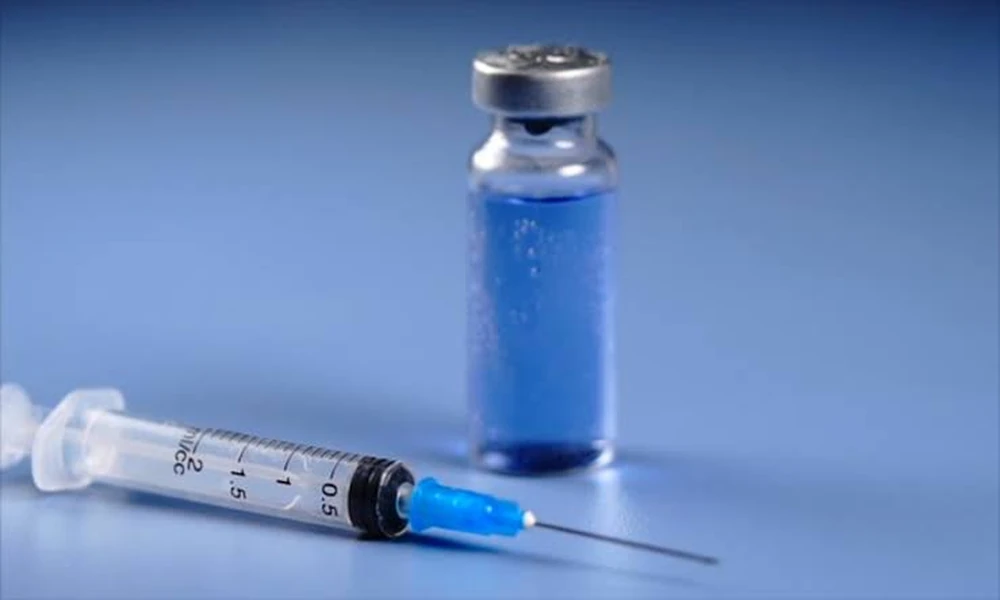
Reconstitution data is less universally provided than analytical purity data, and its absence creates a practical gap for researchers moving from dry powder to a working solution without running preliminary solubility experiments first. Reconstitution data applies to BPC-157 supplier documentation because the peptide’s solubility behaviour is concentration-dependent, pH-sensitive, and affected by salt form in ways that aren’t predictable from purity figures alone. For buyers comparing best place to buy BPC 157 options, suppliers who document reconstitution parameters alongside batch certificates are providing information that affects what happens in the laboratory, not just what the certificate says about the powder sitting in the sealed vial.
Acetic acid outperforms neutral buffers
BPC-157 reconstitution data should specify which solvents have been tested for complete dissolution at defined concentrations. The peptide’s mixed charge character at physiological pH, from glutamic acid, aspartic acid, and lysine residues, supports aqueous solubility at low concentrations but produces aggregation at higher concentrations in neutral pH buffers, where opposite charges on different peptide molecules attract each other and reduce dispersibility.
Dilute acetic acid at 0.1% to 1% concentration improves dissolution relative to pure water at the same concentration by protonating basic residues and reducing the intermolecular charge interactions that promote aggregation. Phosphate-buffered saline at physiological pH is suitable for diluted working solutions but is less effective as a primary reconstitution solvent at stock concentration.
Surface adsorption below 0.1 mg/mL
Documented maximum soluble concentration in each recommended solvent gives buyers an upper bound for stock preparation. Exceeding that concentration risks incomplete dissolution, producing a heterogeneous preparation with variable peptide content per aliquot. The maximum concentration should be experimentally determined, and the documentation should indicate how it was measured, whether by visual clarity assessment, dynamic light scattering for aggregate detection, or analytical quantification of dissolved peptide in the supernatant after centrifugation at defined conditions.
At concentrations below 0.1 mg/mL, BPC-157 adsorption to standard polypropylene and glass vessel surfaces reduces the effective concentration in the preparation. This appears as inconsistent dose delivery across experiments at low working concentrations, where the first aliquot drawn from a vial contains less peptide than expected because a portion has bound to container walls.
Swirling beats vortex mixing
- Order of addition: adding solvent to powder rather than powder to solvent reduces localised high-concentration zones that promote aggregation before the full volume disperses the peptide evenly across the preparation volume.
- Mixing method: vortex mixing introduces air bubbles that promote surface denaturation at the air-liquid interface in some peptide formulations. Gentle swirling is the preferred approach for BPC-157 reconstitution, where aggregation is a concentration-dependent risk rather than a fixed property of the compound under all conditions.
- Temperature during reconstitution: documented temperature guidance prevents inadvertent reconstitution under conditions that reduce yield or accelerate degradation before the working solution is prepared and aliquoted for use.
- Dissolution time: the time needed for full dissolution at the recommended concentration and temperature should be stated so researchers don’t proceed with partially dissolved preparations under time pressure in the laboratory, where visual clarity isn’t a reliable indicator of complete dissolution at all concentrations.
Reconstitution data covering solvent selection, concentration ceiling, dissolution procedure, and freeze-thaw tolerance directly answer the practical questions that a researcher faces after the batch certificate is reviewed and the vial is opened. Suppliers who provide this data alongside analytical documentation are connecting quality assurance to laboratory use. Those who provide only purity figures are leaving researchers to determine reconstitution parameters independently, which introduces preparation variability that the purity data was never designed to prevent.
