

Under mandates of the Occupational Safety and Health Administration (OSHA) there are programs in place that offer protection for whistleblowers. If you believe that you have witnessed or been asked to be a party to certain violations of health and safety in the workplace, there are over twenty statutes in place that are designed to give whisteblowers the protection they deserve when alerting authorities to these violations.
The OSHA Whistleblower Program
The program has been designed to preserve the many provisions established to give whistleblowers the support they need to report dangerous violations in a multitude of industries that include everything from consumer products to financial reform to motor vehicles safety to various transportation fields including railroad, maritime, and airline.
The OSHA Whistleblower Program protects the rights of whistleblowers under federal and state laws.
Whistleblower Protections
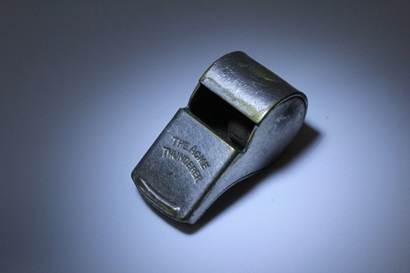
An individual who decides to blow the whistle on an employer or parent company should seek out awhistleblower attorney in durham to offer them additional support and legal protection under the law. However, OSHA has put into place a number of laws that are intended to protect whistleblowers under their rights to contact authorities regarding worker involvement in health and safety activities, report any injuries or illnesses sustained in the workplace, and report any violations of current workplace statutes.
These OSHA protections extend to safeguarding whistleblowers from a list of retaliatory actions taken by employers against workers who report health and safety violations in the workplace. Such retaliations that cannot be taken against a worker include firing or laying off the employee, demoting, blacklisting, denial of overtime, promotion, or benefits, harassing or intimidation, threatening the employee, a reduction in compensation or hours worked, and many other adverse actions that are implemented as a means to punish the employee for exercising his or her right to report under OSHA standards and regulations.
The protections in place under Section 11c of the OSHA Act allow for employees to exercise certain rights provided to them under the law in which they are permitted to file a complaint with OSHA, participate or speak with inspectors or inspection teams, attempt to access employer injury records, report injuries or violations of health and safety made by an employer.
Employees who feel they have been discriminated or retaliated against for exercising these rights afforded to them under the law may file an OSHA complaint during a time period of no more than 30 days after a suspected retaliation incident has occurred. Under the OSHA Act, the protections for workers who report violations and adverse actions extend to twenty-two federal laws currently in place and complaints may be filed under these laws should the employee believe there has been a violation of a particular law.
Depending upon which of these laws have been broken by an employer, there are specific limitations if time associated with each and an employee must file within the designated timeframe. These limitations can be as little as 30 days to as much as 90 or more.
