
Whether you’re thinking of selling your home or you just want to add something new to give it increased curb appeal, the decision to build a fence can be rewarding and lucrative. Installing new fencing around your property can provide your residence with a whole range of benefits that can all contribute to an increase in your home’s value.
Those benefits include an improvement in your privacy, greater safety for you and your family, and aesthetic properties that can make your home much more attractive to potential buyers if and when you decide to put the home on the market down the road.
But you do have some things to keep in mind before you start to shop around for the best fence company in Chesterfield to perform the installation. There are some issues that could actually result in a decrease of your home’s value should you fail to consider all that needs to be factored in before you start the work.
Preliminary Factors
Two in particular need to be thought out thoroughly ahead of time. The first, of course, is to choose a fence that is going to match the aesthetic exterior of the home. You can actually drive down the value of your home if you select a fence that simply clashes with the rest of your surrounding exteriors.
Matching What Already Exists
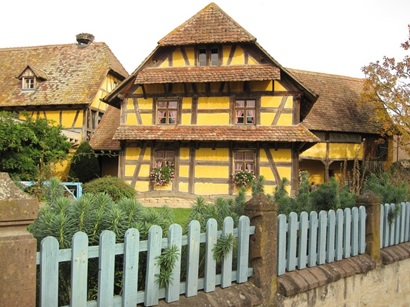
If your fencing doesn’t match the color scheme and architectural design of the house, it should at least complement what you have. Anything that clashes can be a bit of an eyesore and that will make most buyers feel uneasy about purchasing the home knowing they have work (and more money to sink into that work) to do once they move in tearing out the fence and putting in something else.
When selecting your fence, you should also consider what the other fences in your neighborhood look like along the nearby properties. While you’re trying to match or complement your own home’s exterior, you should also ensure that your fence won’t stick out like a sore thumb against the other fences surrounding your neighbor’s properties.
Building Code Compliance
Now that you’ve selected a beautiful fence for your home, you need to be aware of the local building codes and permits that need to be secured ahead of your installation. This is no different than if you were constructing just about anything else on your property, but where fencing is concerned there are certain restrictions and limits that need to be considered.
So you will need to do a little research into finding out what type of standards are in place to govern your community’s building codes. If your fencing does not meet or exceed these codes, the fencing will be rendered all but useless and reduce your home’s value.
Why? Because any potential buyers will find themselves dealing with these problems of bringing the fence up to code, which will very likely cost a considerable amount of money. Buyers who know they are going into a home purchase having to spend even more money after they buy it may be scared off by the financial and logistical headache of dealing with city and community ordinances.
Increased Value
Now that we’ve got all of things covered, let’s take a quick look at how much value your fencing can add to the home. For starters, increased privacy can be a very attractive selling point to buyers who may be more interested in paying extra for the purchase of your home. In order to get the most value for adding fencing to the home, you will want to install something that’s roughly four to nine feet high. The more private the property, the more likely that buyers will be interested in a purchase.
The height of your fence can also be a big motivation to buyers who have children or pets as this brings an additional layer of security for ensuring that neither go running into the street. That increased privacy and safety also extends to securing the home from any outside intruders or prying eyes who might have designs on what you have inside the house.
All of these benefits will have a significant effect on adding value to your home because they demonstrate your willingness to protect your property. Fencing can bring you a substantial return on your investment that varies depending upon the type of fence material you’ve had installed. This will vary of course, but you can be sure that the more secure the material and less work it takes to maintain that material, the more you can expect to gain in value.
