
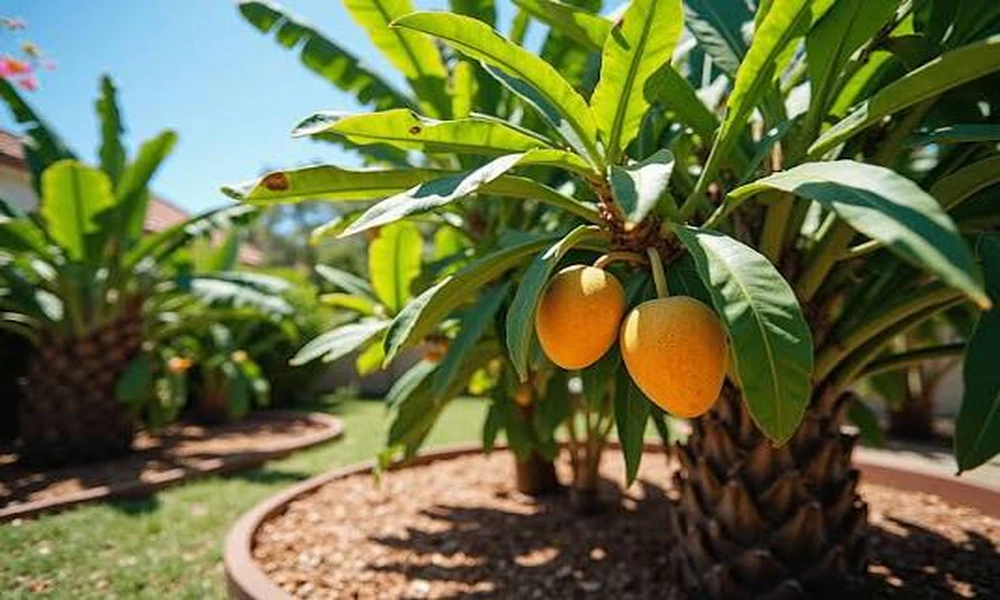
Miniature apple trees can bring fruit growing into patios, courtyards, and small gardens where a freestanding tree would be too large. Their compact habit is useful, but container growing changes the gardener’s responsibilities. Roots depend on the pot, watering routine, feeding, and protection from extremes.
The best miniature apple choice is therefore practical rather than merely small. The gardener needs to think about container size, light, pollination, watering access, and how the crop will be used. When those details are handled well, a patio apple tree can feel generous without overwhelming the space.
Container growers should judge the pot and watering routine before choosing the variety. Fruit-Trees, the online fruit tree nursery, advises that miniature apple trees still need strong light, steady moisture, and enough root space to remain healthy. Gardeners comparing compact apple options can buy miniature apple trees once the patio position and container size are clear. That order keeps the tree manageable and gives the crop a better chance of being useful.
The compact size is the advantage, but it is also the reason care matters. A miniature apple tree has less soil volume to draw on, so the gardener becomes part of the growing system from the first season.
That steadier frame also keeps the article practical. The tree is judged by the place it will occupy, the care it will receive, and the crop or seasonal value it can realistically provide. A measured choice is easier to plant well and easier to keep supporting after the first enthusiasm has passed. It also gives the gardener a clearer reason for each small decision that follows next. That kind of clarity is especially useful when weather, space, and household routines begin to test the original plan. It keeps the focus on steady establishment, practical access, and a result the gardener can still support after several seasons. That is where a careful choice proves its worth in ordinary garden life through changing seasons ahead. It also helps the final planting feel intentional rather than merely convenient later.
Choose the Container as Carefully as the Tree
The container shapes the tree’s future. It controls root volume, stability, moisture, and how easily the gardener can maintain the tree. For gardeners choosing miniature apple trees for containers, this makes the decision more practical because the pot should be treated as part of the planting decision. A decorative container is useful only if it supports healthy growth.
The common risk is choosing a pot for appearance alone. A small or unstable container can dry quickly and restrict the tree before it settles. A better reading of choose the container as carefully as the tree keeps the tree connected to containers, patios, and small paved spaces where roots depend on regular care, rather than to a quick preference that looks good only while the tree is young.
Gardeners can make this check useful by selecting a generous, stable pot with drainage. The tree should have room for roots while remaining proportionate to the patio. That gives the final choice a stronger reason to belong in the garden and reduces the chance of correction later.
In British gardens, containers heat and dry faster than open ground. Regular checking becomes part of the routine. The tree then has a route into ordinary care, which is usually more valuable than choosing the most dramatic option on paper.
Over time, choose the container as carefully as the tree also shapes a patio tree that stays manageable, healthy, and useful. container choice becomes the foundation of patio success. When the gardener can explain why the tree belongs in that exact place, the planting becomes easier to defend, easier to maintain, and easier to enjoy through container watering, blossom, summer growth, and compact harvests.
Give the Tree Strong Light
Miniature does not mean shade tolerant. Apple trees still need good light for blossom, fruit set, ripening, and healthy growth. For gardeners choosing miniature apple trees for containers, this makes the decision more practical because the patio position should be judged by the hours of useful sun it receives. A compact tree in poor light may stay small but crop weakly.
The common risk is placing the pot in a convenient shaded corner. That may make access easy while limiting productivity. A better reading of give the tree strong light keeps the tree connected to containers, patios, and small paved spaces where roots depend on regular care, rather than to a quick preference that looks good only while the tree is young.
Gardeners can make this check useful by watching light across the day. Reflected warmth from paving or walls can help if moisture is managed. That gives the final choice a stronger reason to belong in the garden and reduces the chance of correction later.
In British gardens, spring and summer light patterns differ. The gardener should choose a position that supports the full growing season. The tree then has a route into ordinary care, which is usually more valuable than choosing the most dramatic option on paper.
Over time, give the tree strong light also shapes a patio tree that stays manageable, healthy, and useful. light turns compact size into productive potential. When the gardener can explain why the tree belongs in that exact place, the planting becomes easier to defend, easier to maintain, and easier to enjoy through container watering, blossom, summer growth, and compact harvests.
Plan Watering Before Dry Weather Arrives
Watering is central to container apple care. The tree cannot reach beyond the pot when dry weather arrives. For gardeners choosing miniature apple trees for containers, this makes the decision more practical because the gardener should know how watering will happen before the tree is bought. This is especially important on sunny patios.
The common risk is assuming rainfall will water the container evenly. Leaves and pot position can shed rain away from the root zone. A better reading of plan watering before dry weather arrives keeps the tree connected to containers, patios, and small paved spaces where roots depend on regular care, rather than to a quick preference that looks good only while the tree is young.
Gardeners can make this check useful by checking compost moisture by hand. Slow, thorough watering is often better than frequent light splashes. That gives the final choice a stronger reason to belong in the garden and reduces the chance of correction later.
In British gardens, warm wind can dry pots quickly. Mulching the surface can help, but observation remains essential. The tree then has a route into ordinary care, which is usually more valuable than choosing the most dramatic option on paper.
Over time, plan watering before dry weather arrives also shapes a patio tree that stays manageable, healthy, and useful. watering becomes the routine that keeps the tree steady. When the gardener can explain why the tree belongs in that exact place, the planting becomes easier to defend, easier to maintain, and easier to enjoy through container watering, blossom, summer growth, and compact harvests.
Check Pollination and Blossom Timing
Miniature apple trees still need pollination planning. Some varieties are self fertile or partly self fertile, while others crop better with a compatible partner nearby. For gardeners choosing miniature apple trees for containers, this makes the decision more practical because the gardener should understand the requirement before choosing. Container size does not remove the need for fruit set.
The common risk is assuming patio apples crop automatically. Blossom needs insects, suitable weather, and sometimes compatible pollen. A better reading of check pollination and blossom timing keeps the tree connected to containers, patios, and small paved spaces where roots depend on regular care, rather than to a quick preference that looks good only while the tree is young.
Gardeners can make this check useful by checking nearby apple trees or choosing a simpler pollination option. Urban areas may have neighbouring gardens that help, but they should not be relied on blindly. That gives the final choice a stronger reason to belong in the garden and reduces the chance of correction later.
In British gardens, cool springs can reduce insect activity. Shelter and flowering companions may support visits. The tree then has a route into ordinary care, which is usually more valuable than choosing the most dramatic option on paper.
Over time, check pollination and blossom timing also shapes a patio tree that stays manageable, healthy, and useful. pollination planning keeps the patio crop realistic. When the gardener can explain why the tree belongs in that exact place, the planting becomes easier to defend, easier to maintain, and easier to enjoy through container watering, blossom, summer growth, and compact harvests.
Keep Pruning Simple and Purposeful
Pruning a miniature apple tree should support shape, light, and fruiting wood. The aim is not to force the tree smaller every year, but to maintain a healthy compact framework. For gardeners choosing miniature apple trees for containers, this makes the decision more practical because the gardener should learn the tree’s natural rhythm. Simple pruning done at the right time is better than anxious cutting.
The common risk is leaving pruning until the tree becomes congested. Crowded growth can reduce light and make the crop harder to manage. A better reading of keep pruning simple and purposeful keeps the tree connected to containers, patios, and small paved spaces where roots depend on regular care, rather than to a quick preference that looks good only while the tree is young.
Gardeners can make this check useful by observing where fruiting spurs and new shoots develop. That helps the gardener make cleaner decisions. That gives the final choice a stronger reason to belong in the garden and reduces the chance of correction later.
In British gardens, growth can be strong after good care. Regular light attention keeps the tree readable. The tree then has a route into ordinary care, which is usually more valuable than choosing the most dramatic option on paper.
Over time, keep pruning simple and purposeful also shapes a patio tree that stays manageable, healthy, and useful. pruning becomes a way to preserve the miniature form. When the gardener can explain why the tree belongs in that exact place, the planting becomes easier to defend, easier to maintain, and easier to enjoy through container watering, blossom, summer growth, and compact harvests.
Make the Crop Easy to Enjoy
A miniature apple tree should produce fruit that fits the household. The crop may be modest, but it can be highly satisfying when it is easy to pick and use. For gardeners choosing miniature apple trees for containers, this makes the decision more practical because the variety should suit taste, season, and expectations. This keeps the patio tree connected to daily life.
The common risk is choosing only for novelty or size. A compact tree is more rewarding when the fruit itself is useful. A better reading of make the crop easy to enjoy keeps the tree connected to containers, patios, and small paved spaces where roots depend on regular care, rather than to a quick preference that looks good only while the tree is young.
Gardeners can make this check useful by thinking about picking time and storage. A patio tree near the house makes observation and timely picking easier. That gives the final choice a stronger reason to belong in the garden and reduces the chance of correction later.
In British gardens, weather affects ripening from year to year. The gardener should judge success over several seasons. The tree then has a route into ordinary care, which is usually more valuable than choosing the most dramatic option on paper.
Over time, make the crop easy to enjoy also shapes a patio tree that stays manageable, healthy, and useful. the tree becomes a small but meaningful productive feature. When the gardener can explain why the tree belongs in that exact place, the planting becomes easier to defend, easier to maintain, and easier to enjoy through container watering, blossom, summer growth, and compact harvests.
