
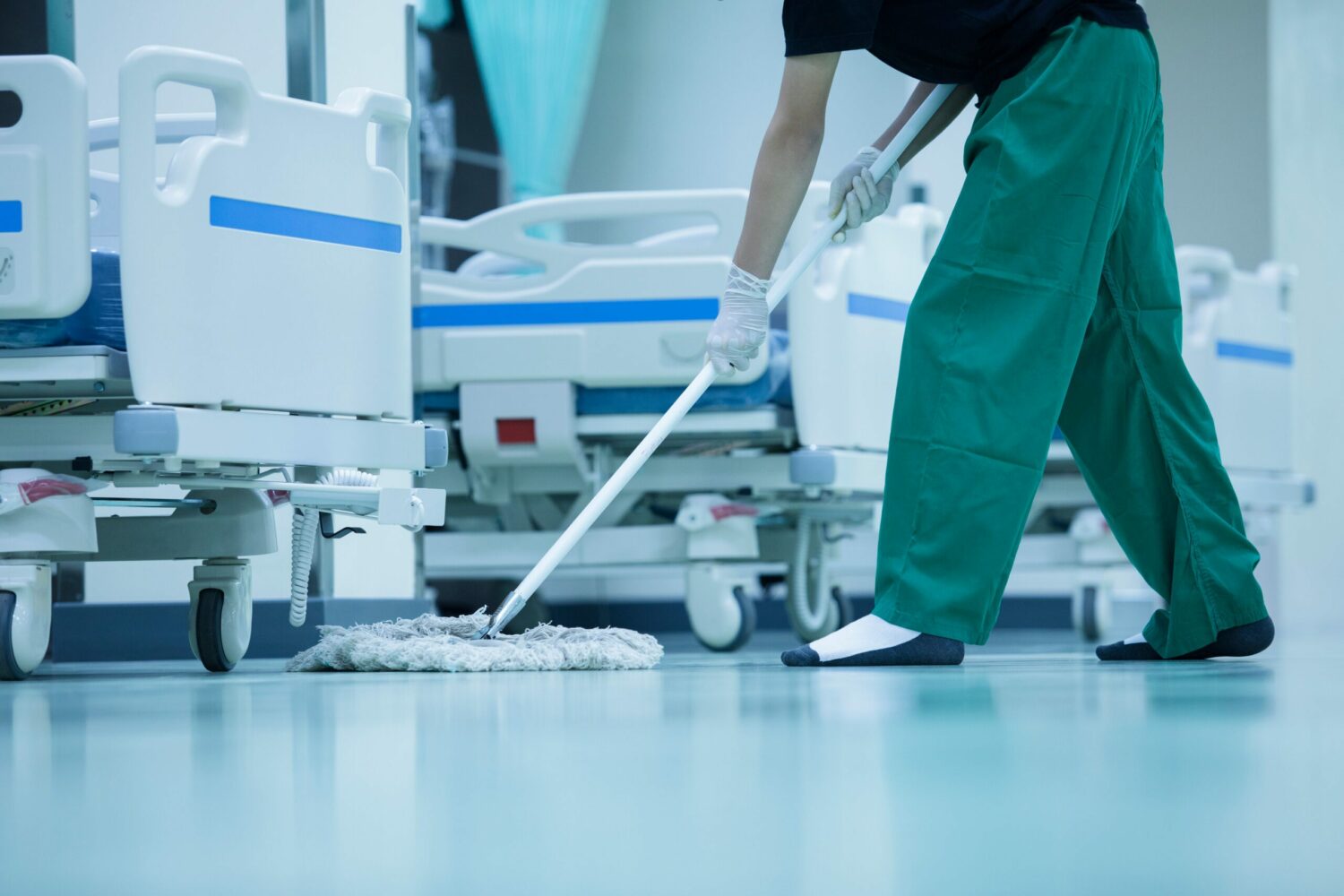
In the spaces where we work, heal, learn, and live, the surfaces beneath our feet carry consequences we seldom consider, which is why the antimicrobial floor has emerged as a critical intervention in our ongoing effort to create healthier built environments. Consider the nurse who walks hospital corridors sixteen hours straight, the child crawling across a nursery floor, the kitchen worker standing over surfaces where food safety hangs in the balance. For these people, and countless others, the difference between a standard floor and an anti-microbial floor can mean the difference between health and illness, safety and risk. This flooring technology, which integrates antimicrobial agents directly into the surface coating, represents not merely a material choice but a commitment to public health, a recognition that the environments we construct have profound effects on the bodies that inhabit them.
The Invisible Threat
Bacteria, fungi, and other microorganisms colonise surfaces with remarkable efficiency. A single bacterium can multiply into millions within hours under favourable conditions. Traditional flooring materials, despite regular cleaning, provide hospitable environments for these colonies to establish and spread. An anti microbial floor changes this equation fundamentally by creating continuous protection that operates around the clock, not just during the minutes following cleaning.
How Protection Works
The mechanisms by which an antimicrobial floor achieves its protective effects vary depending on the specific agents employed:
- Silver ions that disrupt bacterial cell membranes and interfere with reproduction
- Quaternary ammonium compounds that break down microbial cell walls
- Zinc-based additives that prevent fungal and bacterial enzyme function
- Copper particles that generate oxidative stress in microorganisms
- Photocatalytic materials that break down organic contaminants when exposed to light
These agents create conditions that prevent colonisation in the first place, much as inhospitable terrain discourages settlement. In Singapore’s humid climate, where moisture and warmth create ideal conditions for microbial growth, this preventative capacity proves especially valuable.
Critical Applications
Healthcare facilities represent the most critical application for anti microbial floor systems. Hospitals harbour dangerous pathogens, including bacteria that have evolved resistance to multiple antibiotics. The installation of anti-microbial floor coating in Singapore’s hospitals has become standard practice in operating theatres, intensive care units, and patient rooms, working alongside other infection control measures to reduce hospital-acquired infections that affect millions globally each year.
Beyond Healthcare Settings
The benefits of anti microbial floor systems extend across diverse environments:
Childcare centres
Reduces microbial load for toddlers spending hours on floors, potentially decreasing illness rates and disruptions to working families
Food service establishments
Provides additional safeguard against contamination in kitchens, complementing proper food handling and cleaning protocols
Educational institutions
Creates healthier learning environments in Singapore’s tropical conditions, potentially reducing student absences due to communicable illnesses
Public facilities
Enables underserved schools, community health clinics, and civic buildings to maintain hygienic environments without expensive specialised protocols
Maintenance Advantages
An anti microbial floor typically requires only standard cleaning procedures with pH-neutral detergents. The antimicrobial properties remain active throughout the coating’s lifespan, requiring no reapplication or renewal. This simplicity carries particular significance for facilities operating under tight budgets, where initial investment pays dividends through:
- Reduced ongoing cleaning costs
- Decreased need for deep cleaning interventions
- Extended flooring lifespan
- Improved health outcomes for occupants
The Economics of Prevention
Healthcare economists have long recognised that prevention costs less than treatment. An anti microbial floor embodies this principle in built form. While upfront costs exceed standard flooring installation, the reduction in illness rates and accumulated savings over years create substantial value.
For businesses in food service and hospitality, reputation hinges partly on cleanliness. An anti microbial floor provides actual protection and peace of mind for customers and employees alike. In Singapore’s competitive commercial environment, this assurance carries tangible value beyond the measurable health benefits.
Evolving Technology
As we emerge from a global pandemic that demonstrated how quickly pathogens can disrupt societies, the importance of hygienic built environments has gained widespread recognition. The technology continues advancing, with researchers developing new antimicrobial agents offering broader spectrum activity and greater durability, whilst installation techniques improve accessibility across diverse settings and budgets.
Conclusion
The floors we install today will remain in place for decades, serving thousands of people who will never know the thought that went into their selection. For those people, especially the vulnerable among them, the choice to install an anti-microbial floor might prevent illnesses they will never know they avoided, a form of protection that operates silently but effectively. In hospitals and homes, schools and restaurants, this flooring technology stands as evidence that we can build environments that actively support human health rather than merely accommodating it. The decision to specify an anti microbial floor acknowledges that public health begins not with grand interventions but with daily choices about the materials we place between people and the ground beneath their feet.
